05 November 2026
Exactly How Assisted Living Promotes Social Interaction and Wellness
Presented by @hectorayxp470
When family members begin comparing care alternatives, the conversation frequently starts with safety. That makes good sense. Medicine support, aid with showering, meal service, and trustworthy guidance matter a good deal. However after a couple of visits to neighborhoods, another inquiry normally increases to the surface: what will day-to-day live really feel like?
That concern is typically the transforming point. Numerous older adults do not need a nursing atmosphere, yet they do need even more connection, even more structure, and more chances to remain energetic than they are getting at home. Assisted living can load that void in a functional, human way. It uses assistance with the jobs that have ended up being hard while creating a setting where people can still choose, keep routines, and construct connections. For several residents, that mix changes everything.
Social interaction and health are not different benefits of assisted living. They reinforce each other. A resident who joins a morning workout class is most likely to talk with neighbors afterward. Somebody that comes to supper in the area dining-room is less most likely to miss a meal. A person who really feels recognized by personnel and peers is most likely to speak out concerning discomfort, isolation, or a modification in health and wellness. These are not abstract advantages. They form daily life in quantifiable, visible ways.
The social isolation trouble is often underestimated
It is easy to presume that living alone is only an issue if somebody is physically unsafe. In practice, seclusion can affect a person long before a situation lands them in the health center. Older grownups might stop driving, shed a spouse, establish vision or flexibility troubles, or simply discover that the circle of pals they when relied upon has actually obtained smaller. Despite having family close by, the hours between visits can be lengthy and quiet.
That type of isolation changes actions. Individuals may consume less due to the fact that preparing dishes seems like too much effort. They may sleep at strange hours, relocate less, or quit following a routine that once maintained them consistent. Over time, the days blur together. The absence of communication can make small problems feel much heavier. A missed out on prescription refill comes to be more major. A minor fall causes a week of doubt. A little unhappiness becomes a bigger withdrawal.

Assisted living is designed to disrupt that pattern. The setting itself matters. Dishes happen at foreseeable times. Activities are uploaded and very easy to sign up with. Personnel notice when a person has not come out of their home. There is an all-natural rhythm to the day, which rhythm keeps individuals linked to something larger than their very own four walls.
Wellness begins with the normal minutes of the day
Wellness in assisted living is not limited to official programming. It begins with basic routines that support the body and mind. A resident may get up to breakfast prepared by another person, take a drug on schedule, stroll to a typical location, and spend the early morning chatting with a next-door neighbor before lunch. None of that sounds significant, however those ordinary moments often do much more for health and wellness than a once-a-month event ever could.
Nutrition is an example. Many older grownups living at home progressively slide right into inadequate eating practices. They may rely upon biscuits, salute, or convenience food because cooking has ended up being troublesome or literally requiring. In assisted living, meals are usually prepared and offered regularly, which removes a major barrier. That alone can assist with energy, mood, and medicine effectiveness.
Hydration is another forgotten issue. A person who spends the majority of the day alone may merely fail to remember to consume alcohol sufficient water. In a neighborhood setup, drinks are offered throughout the day, and team typically see when a person is not consuming alcohol well. That type of wariness seems small until it stops an urinary infection, dizziness, or a fall.
Sleep can improve also. People often tend to rest far better when days have structure, nights are calmer, and there is less stress and anxiety concerning house chores. A resident does not need to worry about mowing the yard, taking care of a broken tap, or handling a complete refrigerator before a snowstorm. Remedy for those problems becomes part of wellness too.
Community life makes participation easier
One of the greatest toughness of assisted living is that engagement is built into the environment. Citizens do not need to drive throughout town or coordinate multiple timetables to see individuals. They can step out of their houses and discover a card video game, a movie, a conversation team, a craft table, or a going to artist. That simplicity matters greater than many family members expect.
I have seen adults that were almost quiet in family members settings come active in a neighborhood room due to the fact that the social pressure is lower and the setup is much more acquainted. They are not performing for their adult kids. They are just signing up with peers who recognize the same life phase, the very same losses, and often the same completely dry humor. Friendships form from rep. An individual who sees the exact same neighbor every Tuesday and Thursday may not call that "shows," however it is precisely how link grows.
The ideal communities do not require extroversion. They provide low-pressure chances. Not everybody wants to join a lively bingo video game, which is great. Some homeowners prefer individually conversation, religious time, gardening, or a peaceful team workout class. Good assisted living respects those distinctions. It develops enough variety that a resident can locate a rhythm that suits their personality and energy level.
Social involvement supports cognitive and emotional health
Loneliness is not simply unpleasant. It can affect reasoning, motivation, and psychological resilience. When a person invests way too much time alone, it becomes harder to remain emotionally sharp and engaged. There is less discussion, fewer possibilities to remember names or tales, and less minutes that require interest and reaction. Assisted living creates a richer daily social environment that assists keep the mind active.
This does not imply social life stops memory loss or replaces healthcare. It does mean that a resident is more likely to be promoted in small yet significant ways. They may adhere to a discussion concerning existing events, bear in mind verses throughout a singalong, or assist a neighbor keep in mind an activity time. These interactions work out recall and language in ways that feel natural, not clinical.
Emotional health and wellness benefits as well. People typically take too lightly how much anxiousness is reduced when another person is around to notice a modification in mood. A resident that has had a harsh morning is most likely to state it when an employee checks in or a close friend asks exactly how they are doing over lunch. That small opening can result in useful support. In some cases it refers rerouting a person to an activity. Occasionally it is identifying that despair, pain, or complication is worsening and is worthy of attention.
For households looking for senior living, this is just one of one of the most important distinctions to seek. A neighborhood can have charming decor and polished advertising and marketing, yet if residents spend the majority of their time alone, the social worth is restricted. The question is not only whether the neighborhood provides activities. The actual inquiry is whether people really gather.
Fitness and flexibility enhance when movement becomes social
Exercise is less complicated to keep when it is linked to routine and companionship. A person that needs to motivate themselves to walk alone with a neighborhood might avoid it on warm days, wet days, or days when their knees hurt. In assisted living, movement typically becomes part of social life. Locals may sign up with chair exercises, stretch with a team, walk hallways with a buddy, or join equilibrium classes.
That sort of movement is especially important because it is sustainable. It does not need to be intense to matter. Ten mins of assisted stretching, a short stroll after lunch, or standing and relocating via a light class can support flow, versatility, and confidence. In time, those small initiatives can reduce deconditioning, which is just one of the covert dangers of aging. The much less individuals relocate, the more difficult activity becomes.
There is likewise a mental piece. When activity is social, individuals are less most likely to analyze exhaustion as failure. They contrast notes, encourage each other, and normalize doing what they can. That matters for homeowners who may be recuperating from a hospitalization or readjusting after a fall. They are usually much more ready to try once more when they are not doing it alone.
An excellent community also recognizes when to leave space for remainder. Not every resident must be pressed into the same exercise routine. Joint inflammation, heart conditions, balance issues, and medication effects all alter what is appropriate. Actual wellness is not a one-size-fits-all program. It is a thoughtful balance in between support and respect for limits.
Staff connections include another layer of connection
People commonly talk about "the personnel" as if it is something. In a solid assisted living neighborhood, staff are not unnoticeable provider. They become part of the resident's daily social network. A caretaker that remembers how somebody takes coffee, that rests with a nervous resident before breakfast, or who notifications that an usually chatty individual has actually gone peaceful can make a genuine difference.
This is one of the quieter staminas of assisted living. Familiar faces develop trust fund. Trust makes it much easier for residents to accept aid with bathing, clothing, drug pointers, or flexibility support. It additionally makes it less complicated to report an issue early. Somebody that feels understood is more likely to mention a skin concern, a change in hunger, or a brand-new pains in the hip instead senior care of waiting until it becomes urgent.
The top quality of those connections relies on staffing consistency and training, certainly. Families contrasting assisted living near me must pay attention not just to amenities yet to how personnel talk to residents throughout a tour. Do they greet individuals by name? Do residents show up relaxed around them? Do employee seem rushed, or do they include conversation? Those details reveal more about life than a sales brochure ever before will.
Respite care can be a helpful bridge, not just a back-up plan
Families in some cases think of respite care only as a short-lived option after a caregiver emergency situation. It can be that, yet it can likewise offer a wider purpose. A brief remain in assisted living provides an older adult a chance to experience community life without making a prompt permanent action. For some people, that test duration lowers anxiety. They uncover that dishes are simpler, the rate is manageable, and they enjoy the social contact greater than they expected.
Respite care can also disclose functional realities. A family member might assume their loved one is doing great in your home till a brief keep exposes just how tiring individual care has actually become. Another resident may recognize they are lonesome once they invest a few days in a setup where discussion is developed right into the day. These insights issue. They assist families make decisions with evidence rather than guesswork.

For caretakers, respite care uses something just as crucial: alleviation. Also devoted household caretakers require rest. When they can step away for a week or two, they return with even more persistence and a clearer view of what their loved one in fact requires. That can boost decision-making for everybody involved.
Choosing an area requires looking past the checklist
Families typically start their search with useful filters. Exists assisted living near me? What does it set you back? Does the community accept the best level of care? Those questions are needed, yet they do not tell the entire tale. Social involvement and wellness are shaped by atmosphere, shows, and society equally as high as by layout or meal menus.
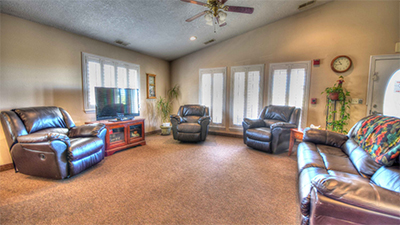
A thoughtful visit typically exposes greater than a sales discussion. View exactly how locals relocate with the room. Notice whether typical locations are occupied or empty at times when individuals need to normally collect. Ask what takes place on a common weekday, not just what unique occasions are supplied as soon as a month. A solid area should be able to explain how social opportunities are woven right into regular life.
Families need to additionally think about personality fit. A very active resident might prosper in a community with robust events and getaways. A person quieter might do far better in a smaller setting where team and residents know each various other carefully. There is no solitary excellent design. The ideal fit is the one that aids the individual feeling included without being overwhelmed.
A brief practical way to evaluate an area is to ask:
- How commonly do locals collect for dishes and activities?
- What alternatives exist for individuals who are timid, shy, or hard of hearing?
- How do staff notification and respond when a resident begins isolating?
- Are health care adjusted for various wheelchair levels?
- How does the neighborhood support family involvement?
Those questions tend to emerge the real culture quickly.
Why the psychological tone of the atmosphere matters
The most reliable assisted living neighborhoods do not simply give services. They create a tone of dignity. That tone influences whether homeowners feel like individuals or clients. If an area treats people as qualified grownups with choices, practices, and opinions, citizens are most likely to engage. If the environment feels extremely institutional, individuals tend to retreat.
That difference is not aesthetic. Psychological tone affects hunger, participation, and willingness to request help. A resident who feels self-conscious concerning requiring support may decline it. A resident that really feels respected is most likely to cooperate with care and stay involved in neighborhood life. The distinction can turn up in something as small as participating in lunch or as substantial as reporting a signs and symptom early.
This is where experience issues. Family members sometimes concentrate on whether an area "looks great," however the much deeper inquiry is whether it feels like a habitable home. That includes sound degree, pacing, staff disposition, and how citizens are spoken with in public spaces. An attractive dining-room does not make up for a culture where individuals feel ignored.
The real value is the combination
Assisted living works best when it supports both feature and belonging. One without the various other is insufficient. Help with day-to-day jobs maintains people risk-free, however it is the social fabric that commonly restores energy and purpose. A resident that has a reason to get clothed, an area to be, and people anticipating to see them is living differently than someone who spends long days alone at home.
That is why family members checking out senior care usually wind up reconsidering what "support" really indicates. It is not just concerning hands-on support. It has to do with producing conditions where older grownups can keep showing up to life. The right neighborhood does not eliminate self-reliance. It protects the parts of independence that still matter while minimizing the concerns that have actually become also hefty to carry alone.
For several older adults, that is the point at which health enhances in functional ways. Meals become much more routine. Motion ends up being less daunting. Conversations return to the day. Anxiety eases since someone neighbors. And bit by bit, the person's globe opens back up.
That is the guarantee of assisted living at its finest. Not just care, yet connection. Not just guidance, but an everyday environment that supports the body, steadies the mind, and provides social life enough area to grow again.
Business Name: BeeHive Homes of Four Hills
Address: 13450 Wenonah Ave SE, Albuquerque, NM 87123
Phone: (505) 221-6400
BeeHive Homes of Four Hills
Beehive Homes assisted living care is ideal for those who value their independence but require help with some of the activities of daily living. Residents enjoy 24-hour support, private bedrooms with baths, medication monitoring, home-cooked meals, housekeeping and laundry services, social activities and outings, and daily physical and mental exercise opportunities. Beehive Homes memory care services accommodates the growing number of seniors affected by memory loss and dementia. Beehive Homes offers respite (short-term) care for your loved one should the need arise. Whether help is needed after a surgery or illness, for vacation coverage, or just a break from the routine, respite care provides you peace of mind for any length of stay.
13450 Wenonah Ave SE, Albuquerque, NM 87123
Business Hours
BeeHive Homes of Four Hills provides assisted living care
BeeHive Homes of Four Hills provides memory care services
BeeHive Homes of Four Hills provides respite care services
BeeHive Homes of Four Hills supports assistance with bathing and grooming
BeeHive Homes of Four Hills offers private bedrooms with private bathrooms
BeeHive Homes of Four Hills provides medication monitoring and documentation
BeeHive Homes of Four Hills serves dietitian-approved meals
BeeHive Homes of Four Hills provides housekeeping services
BeeHive Homes of Four Hills provides laundry services
BeeHive Homes of Four Hills offers community dining and social engagement activities
BeeHive Homes of Four Hills features life enrichment activities
BeeHive Homes of Four Hills supports personal care assistance during meals and daily routines
BeeHive Homes of Four Hills promotes frequent physical and mental exercise opportunities
BeeHive Homes of Four Hills provides a home-like residential environment
BeeHive Homes of Four Hills creates customized care plans as residents’ needs change
BeeHive Homes of Four Hills assesses individual resident care needs
BeeHive Homes of Four Hills accepts private pay and long-term care insurance
BeeHive Homes of Four Hills assists qualified veterans with Aid and Attendance benefits
BeeHive Homes of Four Hills encourages meaningful resident-to-staff relationships
BeeHive Homes of Four Hills delivers compassionate, attentive senior care focused on dignity and comfort
BeeHive Homes of Four Hills has a phone number of (505) 221-6400
BeeHive Homes of Four Hills has an address of 13450 Wenonah Ave SE, Albuquerque, NM 87123
BeeHive Homes of Four Hills has a website https://beehivehomes.com/locations/four-hills/
BeeHive Homes of Four Hills has Google Maps listing https://maps.app.goo.gl/32p1Aa3RPZqoYGBS7
BeeHive Homes of Four Hills has TikTok page https://www.tiktok.com/@beehive4hills
BeeHive Homes of Four Hills has an YouTube page https://www.youtube.com/@WelcomeHomeBeeHiveHomes
BeeHive Homes of Four Hills has Facebook page https://www.facebook.com/beehivehomesoffourhills
BeeHive Homes of Four Hills has Instagram page https://www.instagram.com/beehivehomesfourhills/
BeeHive Homes of Four Hills won Top Assisted Living Homes 2025
BeeHive Homes of Four Hills earned Best Customer Service Award 2024
BeeHive Homes of Four Hills placed 1st for New Mexico Senior Living Communities 2025
People Also Ask about BeeHive Homes of Four Hills
What is BeeHive Homes of Four Hills Living monthly room rate?
The rate depends on the level of care that is needed. We do a pre-admission evaluation for each resident to determine the level of care needed. The monthly rate is based on this evaluation. There are no hidden costs or fees
Can residents stay in BeeHive Homes of Four Hills until the end of their life?
Usually yes. There are exceptions, such as when there are safety issues with the resident, or they need 24 hour skilled nursing services
Do we have a nurse on staff?
No, but each BeeHive Home has a consulting Nurse available 24 – 7. if nursing services are needed, a doctor can order home health to come into the home
What are BeeHive Homes of Four Hills's visiting hours?
Visiting hours are adjusted to accommodate the families and the resident’s needs… just not too early or too late
Do we have couple’s rooms available?
Yes, each home has rooms designed to accommodate couples. Please ask about the availability of these rooms
Where is BeeHive Homes of Four Hills located?
BeeHive Homes of Four Hills is conveniently located at 13450 Wenonah Ave SE, Albuquerque, NM 87123. You can easily find directions on Google Maps or call at (505) 221-6400 Monday through Sunday 9:00am to 5:00pm
How can I contact BeeHive Homes of Four Hills?
You can contact BeeHive Homes of Four Hills by phone at: (505) 221-6400, visit their website at https://beehivehomes.com/locations/four-hills/ or connect on social media via TikTok Facebook or YouTube
Manzano Mesa Multi-Gen Center offers walking paths and open space where residents in assisted living, memory care, senior care, elderly care, and respite care can enjoy gentle outdoor activity.